
Holding Lightly
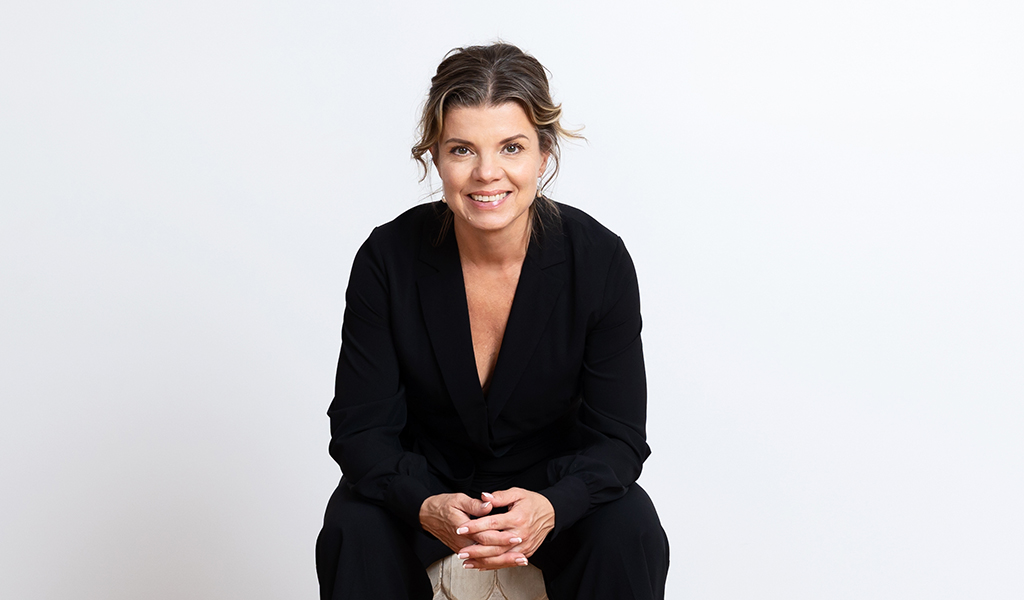
Holding Lightly
As we take on more complexity, something disappears - laughter, lightness, the willingness to be surprised. This piece sits with the inversion that follows: that the capacity to hold complexity does not come from compressing ourselves into seriousness, but from staying alive as we carry the weight.
Listen here
Read here
When was the last time you laughed at work?
Really laughed.
Not a smirk. Not a snigger. Not the weary smile we offer in the face of yet another problem.
A laugh that filled your belly and touched your soul with joy.
I believe there is a bargain we make as leaders without realising we are making it. The more complexity we take on, the less of ourselves we bring.
It happens gradually. A laugh held back here, a piece of play set aside there, until at some point the way of being light with people simply doesn't return. None of it consciously decided — just a slow editing of what we allow in, as the work becomes more serious and the stakes rise.
We tell ourselves it is appropriate. That weight calls for weight. That to meet complexity we must become more contained and measured, more steeled against the easy and the soft. And so we contract, without noticing.
I was at a leadership retreat recently where something else was possible. There was a great deal of laughter and people noticed and commented on it as we went. What surprised them, and what I want to name here, is that the playfulness did not diminish the depth. We were spacious and serious, and thought through real complexity from that ground. From a place of aliveness, not from the contraction that we assume complexity requires.
The laughter was not separate from the work, it was where joy and connection lived. And alongside the joy and connection something else began to happen - a different kind of thinking became available. Possibility thinking. The kind that needs room and energy and hope. The kind that doesn’t arrive when we are already braced.
That experience has me thinking about something I've noticed for a long time but never said.
As leaders, we take on more - more complexity, more responsibility, more weight - and often in the process, we allow ourselves to be less and less alive. Less playful, less delighted, less likely to be surprised by anything. The assumption underneath this is that the reduction is what makes the holding possible; that to carry the work, we must put down the rest of ourselves.
But it doesn't work that way.
In fact, I believe it is the opposite. The less joy we allow ourselves, the more fragile we become. Because the capacity to hold complexity doesn't come from compressing ourselves into seriousness, it comes from staying alive - open, curious, capable of laughter and delight - alongside the weight.
There is, I believe, an equation that gets installed in us early - that seriousness must come with heaviness, that to carry weight we must look as though we are carrying it. We inherit it and pass it on, and it costs us something we do not quite see.
That cost is humanness. Which is also, in the end, capacity.
What I am beginning to trust is that the underlying energy we lead from matters more than any particular decision we make from it. Joy and lightness are not what we earn after the work is done. They are the conditions under which the work can be done well - and the conditions under which the thinking that the work most needs can find us.
What have you set down in order to look as though you can carry the weight?